


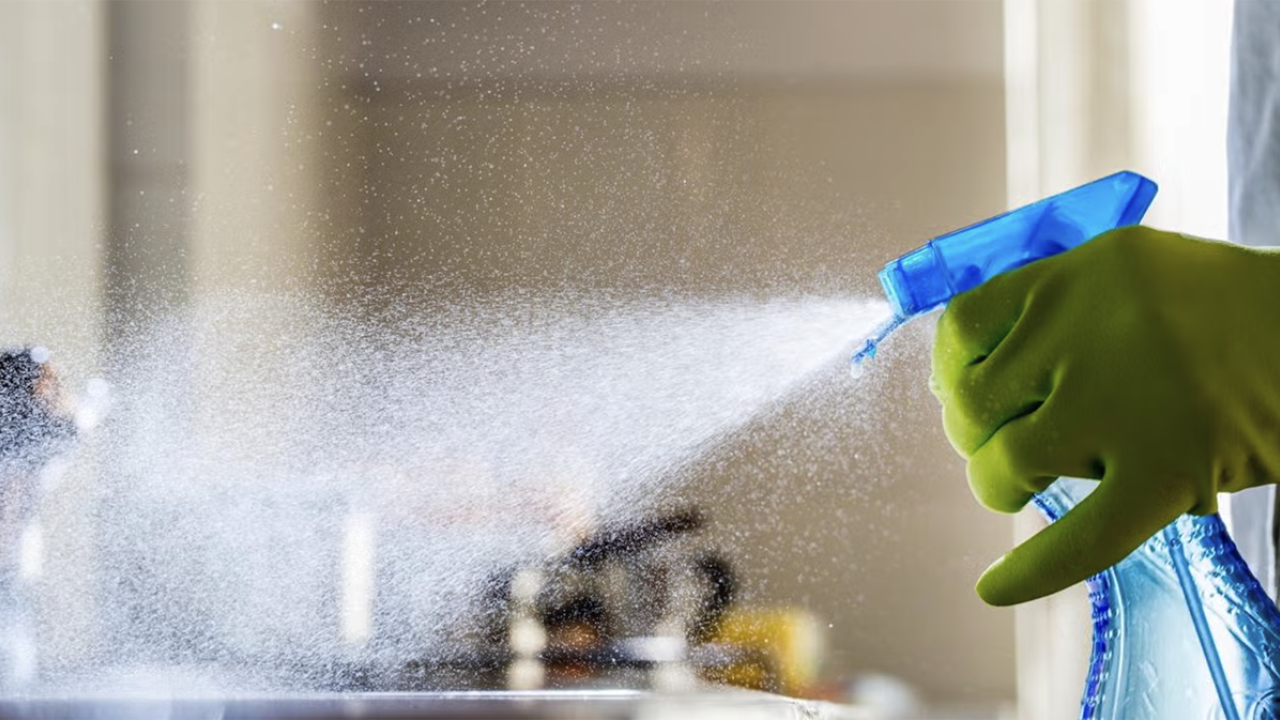
Common Disinfectant Chemicals Far More Toxic When Inhaled, Study Finds
Research Suggests Higher Health Risks Than Previously Thought
Breathing in common disinfectant chemicals known as quaternary ammonium compounds, or QACs, may be far more harmful than swallowing them, according to a mouse study led by researchers at the University of California, Davis. The study found significant lung injury at blood QAC exposure levels similar to those measured in humans.
The findings raise questions about whether airborne exposure from disinfectant sprays and cleaning products could contribute to respiratory disease such as asthma or chronic obstructive pulmonary disease (COPD). The study was published in Environmental Science and Technology.
“The surprising result of this study was that these compounds, when inhaled, caused 100-fold more lung injury and 100-fold more lethality compared to oral ingestion,” said lead author Gino Cortopassi, a biochemist and pharmacologist with the UC Davis Weill School of Veterinary Medicine.