



The Accessible Veterinary Care program enables the school’s faculty and students to provide veterinary services primarily to dogs and cats of clients with limited resources or other barriers to care.
Accessible Veterinary Care (AVC) at UC Davis works to address societal needs through student and community engaged outreach clinics, as well as to advance the field of accessible veterinary care with innovative educational models and groundbreaking research.
Our various AVC projects aim to mentor veterinary students within community-based veterinary care. While UC Davis has operated some of these organizations for years to decades, this AVC framework is designed to bring these organizations together in one cohesive structure.
The clinical services for AVC are based in the Veterinary Medical Teaching Hospital at the UC Davis Weill School of Veterinary Medicine. The AVC program is administrated by the school's One Health Institute.
Learn more about our mission
Meet our team
Learn more about AVC programs under the One Health Institute
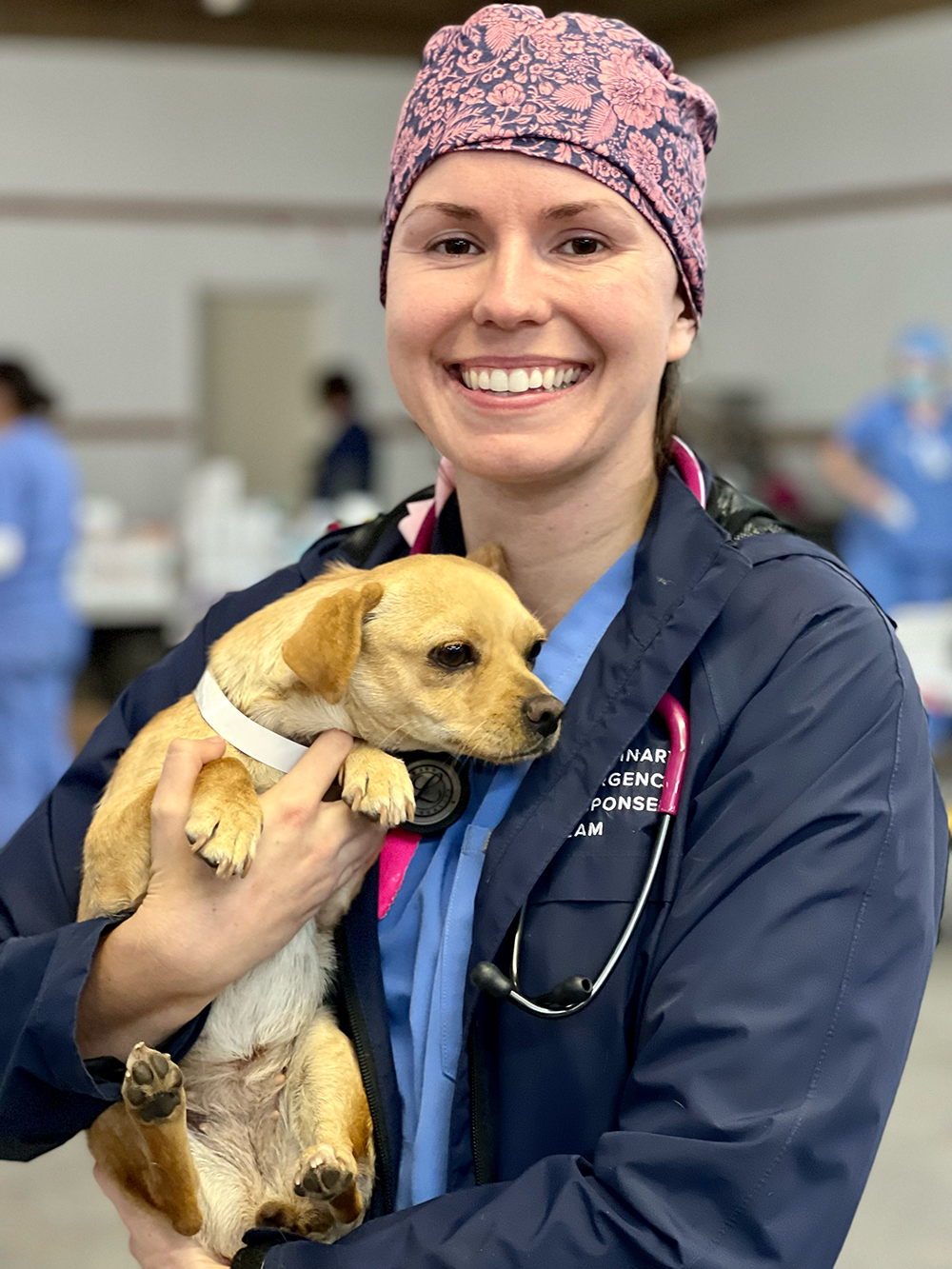
Accessible Veterinary Care Organizations
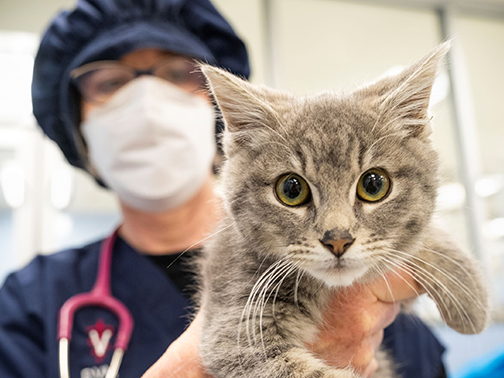
Community Surgery Service
The Community Surgery Service at the UC Davis Veterinary Hospital serves as an opportunity for fourth-year veterinary students to gain a greater degree of hands-on surgical experience during their clinical rotations. In this service, students perform surgical procedures such as spays/neuters, mass removals, limb amputations, urinary bladder stone removals, eye removals, and other fundamental surgeries. This service aims to deliver high-quality, compassionate patient care while offering veterinary students a positive and empowering learning environment in small animal surgery. In fulfilling this mission, this service aims to provide life-enhancing or life-saving surgical care to animals in the community.
DONATE
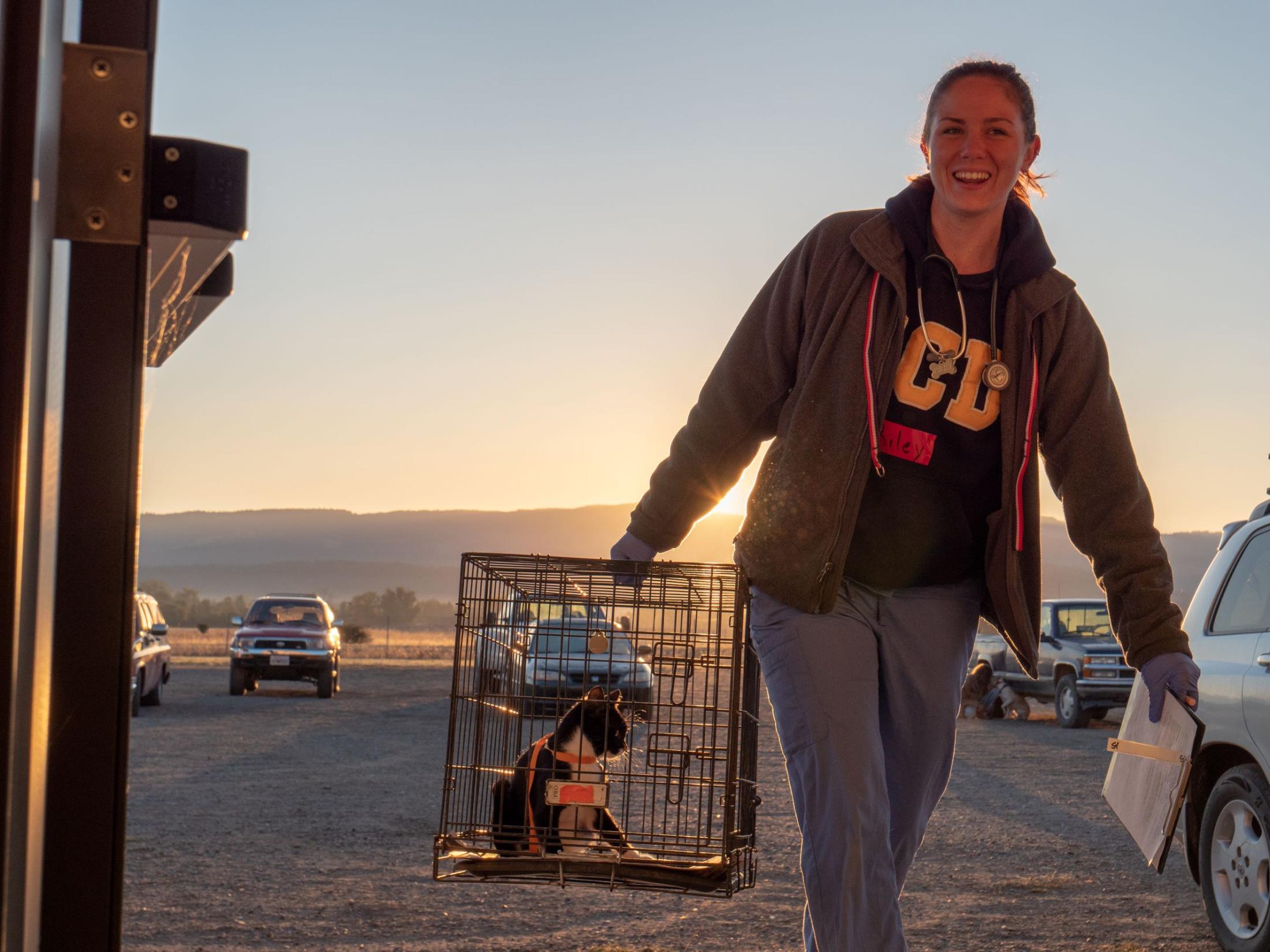
Covelo Clinic
The Covelo Clinic at UC Davis strives to improve animal health and welfare in Covelo, California. Covelo is a small town in Mendocino County that faces challenges with pet overpopulation and limited access to veterinary care due to financial and transportation barriers. In partnership with the local nonprofit Better Options for Neglected Strays (BONEs) Pet Rescue, the Covelo Clinic conducts two to three field veterinary clinics each year, each serving hundreds of patients over two days. These clinics provide vaccinations, distribute preventative medication, complete spay and neuter surgeries, provide owner education, and offer general wellness care. Each clinic is entirely volunteer-run. Bringing together veterinarians, veterinary students, registered veterinary technicians, undergraduate students, and community members to provide compassionate, high-quality care for the animals of Covelo.
DONATE
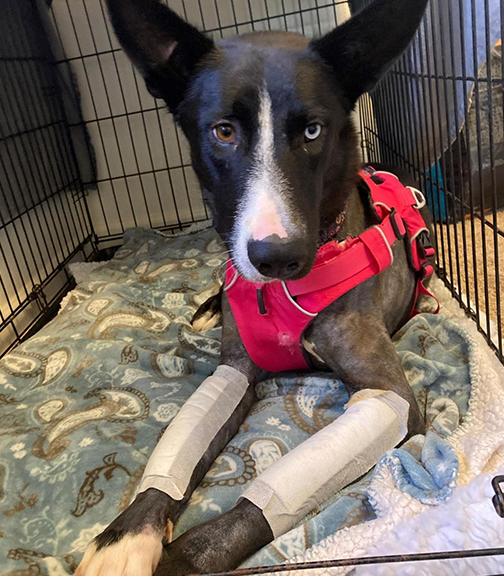
Fracture Program for Rescue Animals
The UC Davis Fracture Program for Rescue Animals repairs long bone fractures in homeless dogs and cats from animal shelters and rescue groups. Each repair provides essential learning opportunities for veterinary students and residents in the Orthopedic Surgery Service and the Community Surgery Service. These surgeries offer invaluable exposure to fracture management, furthering the students’ education and the residents’ training. Following surgery and recovery (while being fostered by students), these rescued cats and dogs begin their journey toward a healthy and long life.
DONATE
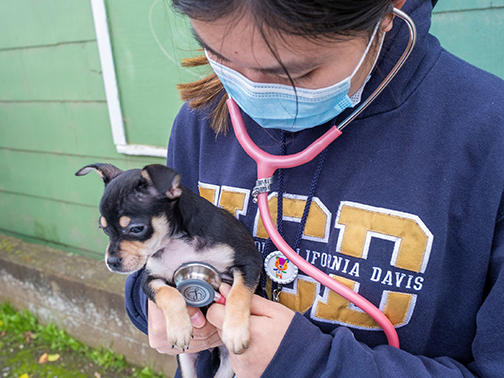
Knights Landing One Health Clinic
The Knights Landing One Health Clinic (KLOHC) veterinary clinic is a free monthly clinic that serves the community of Knights Landing, California, a rural town located 20 miles north of campus. KLOHC offers care to dogs and cats, providing physical examinations, vaccinations, parasite prevention, and minor diagnostics and treatments utilizing a One Health framework that integrates animal, human, and community well-being.
To foster trust and clear communication, KLOHC offers translation services for Spanish-speaking clients, ensuring every family feels heard and supported while seeking care for their pets. UC Davis faculty advisors, veterinary students, registered veterinary technicians, and undergraduate volunteers work together to assist families and their pets within this underserved community. In partnership with faculty and nursing students from the Betty Irene School of Nursing, the clinic provides health counseling, blood pressure, and blood glucose screenings for interested community members.
DONATE
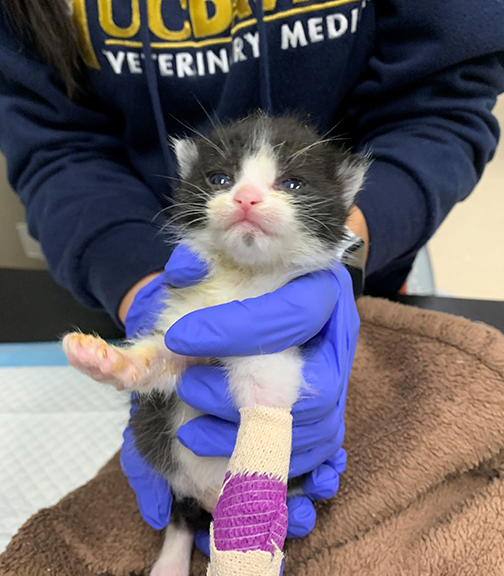
Orphan Kitten Project at UC Davis
The Orphan Kitten Project at UC Davis (OKP) is an entirely student-run organization led by veterinary students. OKP’s mission is to give orphaned and abandoned neonatal kittens a chance at a healthy, fulfilling life while providing veterinary students, undergraduate students, and community members hands-on experience and education in kitten care.
On intake, kittens receive a complete physical exam from trained veterinary student coordinators. The kittens are placed with fosters within the public and veterinary community who charitably volunteer their time to bottle-raise them in their own homes. OKP pairs each foster with a veterinary student coordinator to monitor the kittens, provide preventative care, and answer any questions or concerns that arise pertaining to the kittens’ health and welfare. Before the kittens are adopted, they are weaned, dewormed, vaccinated, FeLV tested, spayed/neutered, microchipped, and treated for any medical conditions.
OKP also takes on other cases, such as pregnant cats, orthopedic injuries (partnered with the Fracture Program), eye and skin issues, and other medical cases. The proximity to the UC Davis veterinary hospital allows OKP to take on medical cases that shelters may not have the resources to accomplish. Once the kittens are ready, they are placed with individual adopters who have personally met with the fosters/coordinator to give these kittens the best chance at their forever home.
DONATE

Shelter Surgery Service
The Shelter Surgery Service at the UC Davis Veterinary Hospital partners with local shelters and rescue organizations to provide spay and neuter surgeries for community cats. This partnership serves as the basis to teach 4th-year DVM students high-quality, high-volume spay and neuter (HQHVSN) principles, while expanding the school’s accessible veterinary care programs to fulfill a community need. As a result, thousands of animals receiving low-cost spay/neuter surgeries and preventive care every year, improving their chances of adoption or returning to their habitat through a Trap Neuter Vaccinate and Return (TNVR) program, the only proven feline management strategy for outdoor cats. Currently, this program offers the only low-cost and TNVR support available in Yolo County. In the near future, new space being created for this service will allow for more students to rotate through the service and increase the number of future veterinarians trained in HQHVSN principles.
DONATE
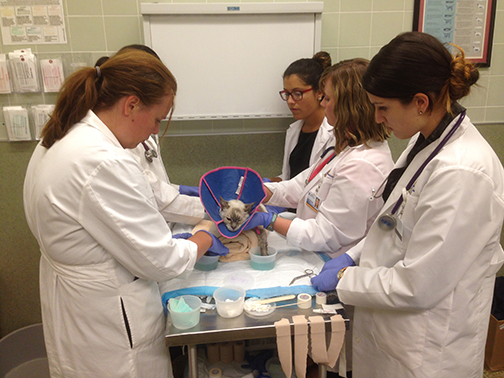
Treatment of Animals Burned in Wildfires
Every year, the UC Davis Veterinary Hospital treats dozens of animals injured in California wildfires. While many different species are admitted through various emergency services, the majority of those cared for by the Accessible Veterinary Care team are cats.
Since 2015, the team has treated more than 200 domestic and feral cats rescued from fire zones. Their injuries range from smoke inhalation and minor scrapes to third-degree burns to their paws and bodies. Some cats spend months in care at the hospital’s Feline Treatment and Housing Suite, and many are fostered by the team and other representatives of the UC Davis veterinary community until they can be adopted. While the circumstances surrounding it are unfortunate, students gain valuable experience treating burned animals – a level of education that is not often seen in many veterinary schools due to the rarity of such injuries.
DONATE
Our Team
Faculty

Emily McCobb, DVM, MS, DACVAA
Professor
PetSmart Charities Endowed Chair in Accessible Veterinary Care

Jonathan Dear, DVM, MAS, DACVIM (SAIM)
Associate Professor
Co-Chief of Service - Small Animal Internal Medicine Service
Assistant Director - Small Animal Hospital

Michael Ziccardi, DVM, MPVM, PhD
Professor
Executive Director - One Health Institute
Director - Oiled Wildlife Care Network
Director - California Veterinary Emergency Team
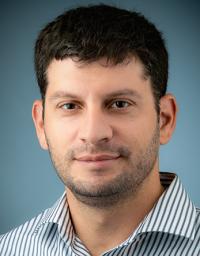
Steven Epstein, DVM, DACVECC
Professor
Assistant Director - Small Animal Hospital
Assistant Director - Transfusion Medicine Service and Blood Bank
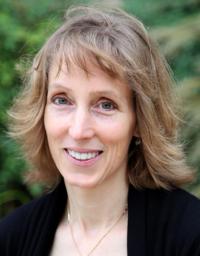
Karen Vernau, DVM, MAS, DACVIM (Neurology)
Professor
Chief of Service - Feline Pediatric Service
Faculty Advisor - Orphan Kitten Project

Elizabeth Montgomery, DVM, MPH
Clinical Professor
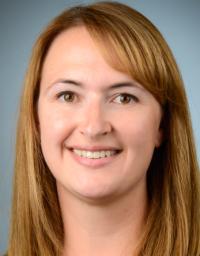
Stacy Kraus, DVM
Staff Veterinarian
Chief of Service - Shelter Medicine Service

Cindy Karsten, DVM, DABVP (Shelter Medicine)
Staff Veterinarian
Outreach Veterinarian - Koret Shelter Medicine Program

Jeannie Knuchell, DVM
AVC Staff Veterinarian
Staff

Kelly Stetter, RVT
AVC Program Coordinator

Jodie Cheun
Veterinary Assistant
Our Mission
Accessible Veterinary Care (AVC) at UC Davis works to address societal needs through student and community engaged outreach clinics, as well as to advance the field of accessible veterinary care with innovative educational models and groundbreaking research. With UC Davis being a California public entity, it is the school’s responsibility to continue these critical programs. Rooted in the school’s mission to address societal needs, expanding access to care for underserved communities remains a driving force behind its outreach efforts. Teaching veterinary students about AVC and supporting the health and people in our community is key to the school’s land grant mission.
Student Goals:
- Teach students to apply Spectrum of Care principles in community-based settings.
- Provide an approachable teaching environment to students to apply Spectrum of Care principles within community-based settings.
- Model sustainable programs that students can carry into their future careers.
- Demonstrate the One Health approach in action.
- Highlight the importance of collaborative care and translational research.
- Emphasize that serving underserved communities is a valuable and rewarding aspect of veterinary practice.