


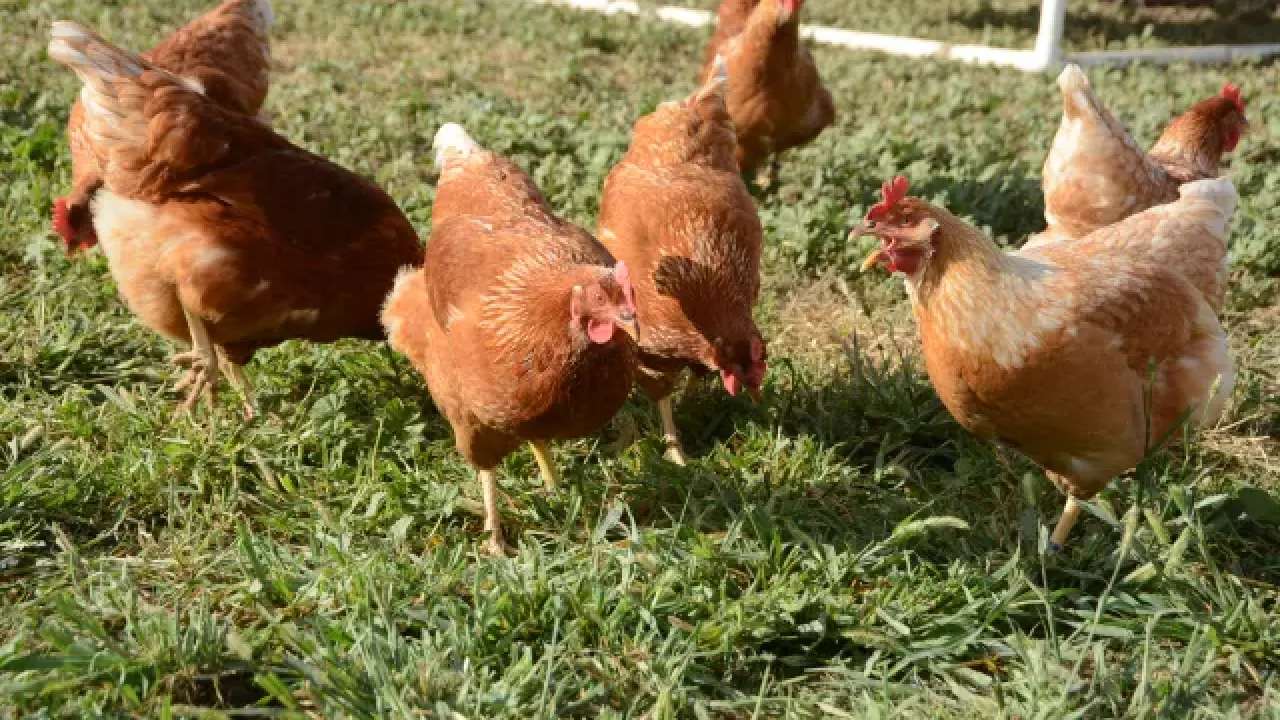
Backyard Poultry at Risk for Bird Flu
UC expert offers tips, reminders after recent HPAI detections in Sutter, Sonoma counties
Poultry owners should remain vigilant about protecting their birds because the risk of avian influenza can change as quickly as the weather, says a University of California Cooperative Extension poultry specialist.
Detections in recent weeks of the highly pathogenic avian influenza virus in Sutter and Sonoma counties serve as a reminder that bird flu remains a threat. Animal disease emergency responders are working with the flock owners in both cases to mitigate the spread of disease.
“Disease risk is dynamic, influenced by weather, wildlife movement and human activity,” said Maurice Pitesky, UC Cooperative Extension poultry specialist in the School of Veterinary Medicine at UC Davis.
A drop in temperature in one part of California can drive wild waterfowl carrying HPAI influenza virus to migrate to a warmer part of the state. While migratory birds may bring the HPAI virus and move on, resident waterfowl may continue to spread it because the virus lingers in the environment.
Many poultry farms and homes with backyard chickens are located near bodies of water used by migratory birds and even when waterfowl are not present, virus can remain in the water, air and soil, according to Pitesky.
“Plus, climate – precipitation, moisture on the ground, temperature, state of crop development on fields, etc. – dictates waterfowl activity. It’s just a dynamic situation,” Pitesky said.
Bird flu outbreaks often occur three to 10 days after spikes of waterfowl abundance within 2.5 miles of affected farms, so he recommends poultry owners examine conditions outside their property.
“When thinking about protecting our backyard flocks from infectious diseases carried by wildlife, we have a tendency to focus solely on the biosecurity of the coop and the immediate area around the coop,” Pitesky said.
“However, because of diseases like highly pathogenic avian influenza, which are primarily carried by wildlife, we need to also think about understanding potential habitat in our neighborhoods,” Pitesky urged. “For example, if you have a pond that is a couple of blocks from your house, migratory waterfowl such as ducks and geese are likely to roost on the pond and fly over while looking for feeding areas such as lawns and golf courses.”
Pitesky offers some recommendations on the basics of biosecurity for backyard coops on your property and the basics of risk assessment off your property.