Researchers at the UC Davis School of Veterinary Medicine have identified a genetic cause for the fatal condition equine familial isolated hypoparathyroidism in Thoroughbreds, marking the first genetic variant for hypoparathyroidism identified in any domestic animal species. Additionally, this is the first widely available genetic test for Thoroughbreds.
A recent study by Sarah Shaffer, Dr. Susan Stover and colleagues at the J.D. Wheat Orthopedic Laboratory at the UC Davis School of Veterinary Medicine sought to characterize bone abnormalities that precede proximal sesamoid bone (PSB) fractures and determine if pre-existing abnormalities are associated with these fractures. The group retrospectively studied cases from California Thoroughbred racehorses that died from PSB fractures, and controls that died for other reasons.
Three major initiatives in biodiversity genomics — BIOSCAN, the Earth BioGenome Project and the Global Virome Project — have joined forces to deliver a “pandemic interception system” based upon comprehensive knowledge of pathogens and their hosts.
The school’s research committee, in collaboration with the Office of Research and Graduate Education, recently held a virtual Research Expo to discuss various aspects of COVID-19 research.
Professor Nicole Baumgarth and Associate Professor Colin Reardon received a prestigious grant from the Chan Zuckerberg Initiative (CZI) today to further basic research on the role of inflammation in disease.
New research from entomologists at UC Davis clears a potential obstacle to using CRISPR-Cas9 “gene drive” technology to control mosquito-borne diseases such as malaria, dengue fever, yellow fever and Zika.
Grayson-Jockey Club Research Foundation announced that the UC Davis K.L. Maddy Equine Pharmacology Laboratory has been chosen as the research site for a project to help develop alternate methods for detection of bisphosphonates in Thoroughbreds. The research will be funded by Vinnie and Teresa Viola’s St. Elias Stables.
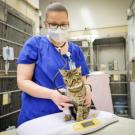
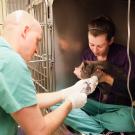
Veterinary scientists at the University of California, Davis School of Veterinary Medicine have completed a multicenter clinical trial testing the use of adipose-derived mesenchymal stem cells (ASCs) to treat a debilitating oral disease in cats. Having previously found positive results in a trial performed exclusively at UC Davis, the team of veterinarians and researchers found similar positive results when expanding the trial to another veterinary school and two private veterinary clinics.
Smoke from wildfires may have long-term health effects, according to research on juvenile monkeys. The results were presented at the American Association for the Advancement of Science meeting in Seattle by the school's Professor Lisa Miller.