



About The Department of Molecular Biosciences
The Department of Molecular Biosciences (VMB) serves as the academic home for all nutritional, physiological chemistry, and pharmacologic and toxicologic programs of the School of Veterinary Medicine at UC Davis.
Our goal is to study fundamental biological processes and their perturbations by mutations, nutrition, drugs and xenobiotics and the application of these to the improvement of animal and human health. Faculty participate in a number of graduate groups including Genetics, Microbiology, Neurosciences, Nutritional Biology, Biochemistry, Molecular, Cellular & Developmental Biology, and Pharmacology & Toxicology.
The department also contributes substantially to school and campus initiatives in Environmental and Human Health. Faculty include toxicologists at the California Animal Health and Food Safety Laboratory System (CAHFS) and provide expertise for the Equine Analytical Program of the State of California. The department also shares responsibility for the Clinical Pharmacology, Clinical Toxicology, and Clinical Nutrition Programs, including the Nutrition Service at the VMTH.
View our contact information here.
Faculty
- Angelastro, James
- Bischoff, Karyn
- Cortopassi, Gino
- Cummings, Bethany
- Datta, Sandipan
- Dedkova, Elena
- Giulivi, Cecilia
- Grodzki, Cris
- Jegede, Olukayode
- (Joy) Jiang, Xiaosong
- Kim, Dongsuk
- Knych, Heather
- Larsen, Jennifer
- Lein, Pamela J
- Moeller, Benjamin
- Ramsey, Jon J.
- Rumbeiha, Wilson
- Stockman, Jonathan
- Toedebusch, Christine M.
- Toedebusch, Ryan
- Tomilov, Alexey
Emeritus Faculty
- Buckpitt, Alan R.
- Fascetti, Andrea J.
- Havel, Peter J.
- Hansen, Robert J.
- Gorin, Fred
- Morris, James G.
- Pessah, Isaac N.
- Poppenga, Robert
- Puschner, Birgit
- Rogers, Quinton R.
- Stanley, Scott
- Vulliet, Rick
Staff

Ashley Carr
Chief Administrator Officer (CAO)
1203 VM3B
(530) 754-1501 | [email protected]
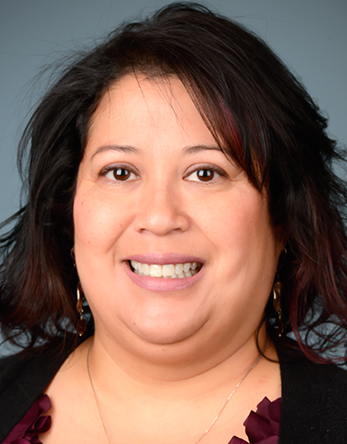
Sylvia Centeno
Academic & Staff Personnel
1210 VM3B
(530) 752-0774 | [email protected]
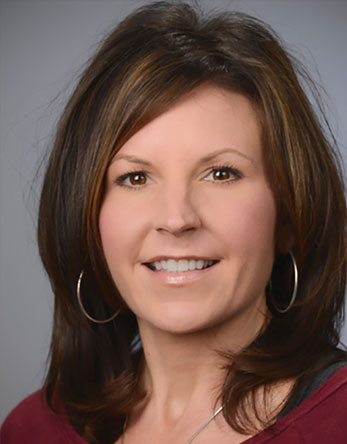
Tracey Fernandez
Program Analyst
1213 Vet Med 3B
(530) 754-8157 | [email protected]

Caprice Haan
APC/VMB Business Assistant
1210 VM3B
[email protected]
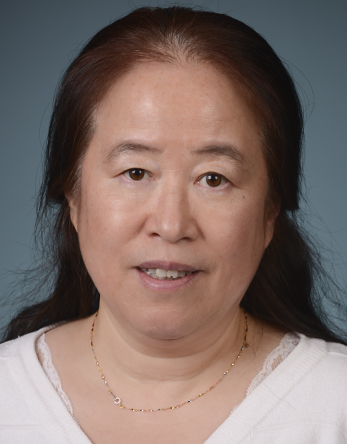
Vivian Yu
Account Manager, Personnel & Grants Assistant
1207 Vet Med 3B
(530) 752-1374 | [email protected]
Contact
School of Veterinary Medicine
Department of Molecular Biosciences
University of California
One Shields Avenue
Davis, CA 95616
Location: 1089 Veterinary Medicine Drive, 1210 Vet Med 3B
Chairperson: Pam Lein
Vice Chair: Jon Ramsey
Chief Administrative Officer (CAO): Ashley Carr
For Administrative Assistance, please email: [email protected]
Equine Analytical Chemistry Lab Wins International Research Award
The team explored the advantages of transdermal application of buprenorphine for long-term pain relief in horses.
Heather Knych, Rachael Hoh '27
Congratulations to 2025 Dean's Staff Award recipient Ashley Carr!
Congratulations to Atena Tork, Rida Mullah, and Jennifer Dang (Team MitoFluidics) who won the Brink Award at the Sac State University-Wide Innovation Competition!
Dr. Heather Knych honored with 2023 Graduate Program Advising and Mentoring Award
Dr. Candice Price awarded a 2021-22 Chancellor's Fellowship for Diversity, Equity and Inclusion
Dr. Peter J. Havel honored with 2020 Excellence in Research Award


VMB Faculty in Graduate Groups
There is an expanding demand for individuals who have advanced disciplinary research training in the sciences basic to veterinary medicine. Department faculty are engaged in the following:
Graduate Group in Integrative Pathobiology
Graduate Group in Neuroscience
Graduate Group in Nutritional Biology
Forensic Science Graduate Program
Integrative Genetics and Genomics
Molecular, Cellular and Integrative Physiology
Biochemistry, Molecular, Cellular and Developmental Biology Graduate Group