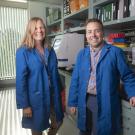
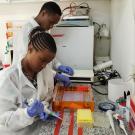
Candice Price, an adjunct assistant professor in the Department of Molecular Biosciences in the UC Davis School of Veterinary Medicine, conducts research to better understand the mechanisms for developing cardiometabolic diseases, including diabetes in Black women.
Understanding the interaction between people, animals, plants and their shared environment — collectively known as One Health — has never been so important.
A study led by the University of California, Davis, has found significant differences in gut bacteria between Black and white women, even after accounting for their insulin sensitivity status.
Monoclonal antibodies protected aged, diabetic rhesus macaque monkeys from disease due to SARS-CoV-2 and reduced signs of inflammation, including in cerebrospinal fluid, according to a new study from UC Davis researchers.
Over the past several years molecular geneticists have been researching the application of CRISPR-Cas9 gene editing technology to mosquitoes that transmit malaria.
What do human and veterinary medicine have in common? More than just a global pandemic, as UC Davis School of Medicine Dean Allison Brashear and UC Davis School of Veterinary Medicine Dean Michael Lairmore explore in the first episode of the second season of their Deans Discuss podcast this week.
Exposure to Ebolaviruses may be more frequent and widespread than previously thought say UC Davis scientists who found antibodies to Ebola virus in people up to a year before the 2018 Ebola virus disease outbreak began in the Eastern Democratic Republic of Congo, or DRC.