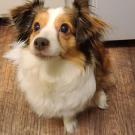
Scruffles, a 9-year-old female Shetland sheepdog, was referred to the UC Davis veterinary hospital after her white blood cell count continued to increase. The Oncology Service performed complete blood count tests to gain a better understanding of Scruffles’ condition, as well as a test called flow cytometry, which helped determine if Scruffles was dealing with a cancer of her bone marrow (leukemia).
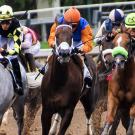
Researchers at the UC Davis School of Veterinary Medicine have identified a genetic cause for the fatal condition equine familial isolated hypoparathyroidism in Thoroughbreds, marking the first genetic variant for hypoparathyroidism identified in any domestic animal species. Additionally, this is the first widely available genetic test for Thoroughbreds.
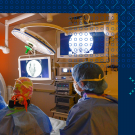
The School of Veterinary Medicine at the University of California, Davis is taking one of the lead roles in the university’s new $2 billion fundraising campaign, “Expect Greater: From UC Davis, For the World.” This marks the largest philanthropic endeavor in the university’s history, and the school’s 25% portion of the goal is also its largest fundraising challenge.
The school celebrated its annual Evening of Gratitude virtually on October 8 — honoring our generous donors and exceptional students, together advancing veterinary medicine into the future. Students received $6.5 million in total support this year through more than 450 awards, thanks to the generosity of individual, association and corporate donors who make new and continuing awards possible. This is another outstanding year for the school’s scholarship and fellowship program.
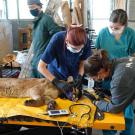
Earlier this week, the UC Davis School of Veterinary Medicine and the California Department of Fish and Wildlife announced the joint formation of the Wildlife Disaster Network. The network is already aiding several animals injured in California’s latest wildfires. Network teams throughout Northern California are treating about a dozen animals at various facilities.
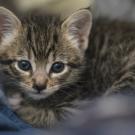
Orphaned kittens experience more stress than kittens cared for by their mothers, according to a new UC Davis study. Understanding the effect of being orphaned on responses to stressful events could improve their care.
The Wildlife Disaster Network is a new partnership between the UC Davis School of Veterinary Medicine and California Department of Fish and Wildlife. It aims to quickly and efficiently mobilize the people and resources needed to aid wildlife affected by wildfire and other disasters.
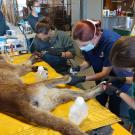
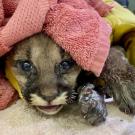
An orphaned mountain lion cub is at the Oakland Zoo recovering from burn injuries after being rescued from California's Zogg Fire. The zoo staff is working with the UC Davis Veterinary Hospital to treat the cub's wounds.
Consuming high fructose corn syrup appears to be as bad for your health as consuming sugar in the form of fructose alone, according to a new study from researchers at the University of California, Davis.
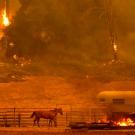
Wildfires burned across the Western U.S. in August and September, killing at least 35 people and destroying more than 5,800 buildings. Veterinarians on emergency response teams treated injured animals, helped find and evacuate those in danger, and monitored animals staying on pastures after their owners evacuated.